
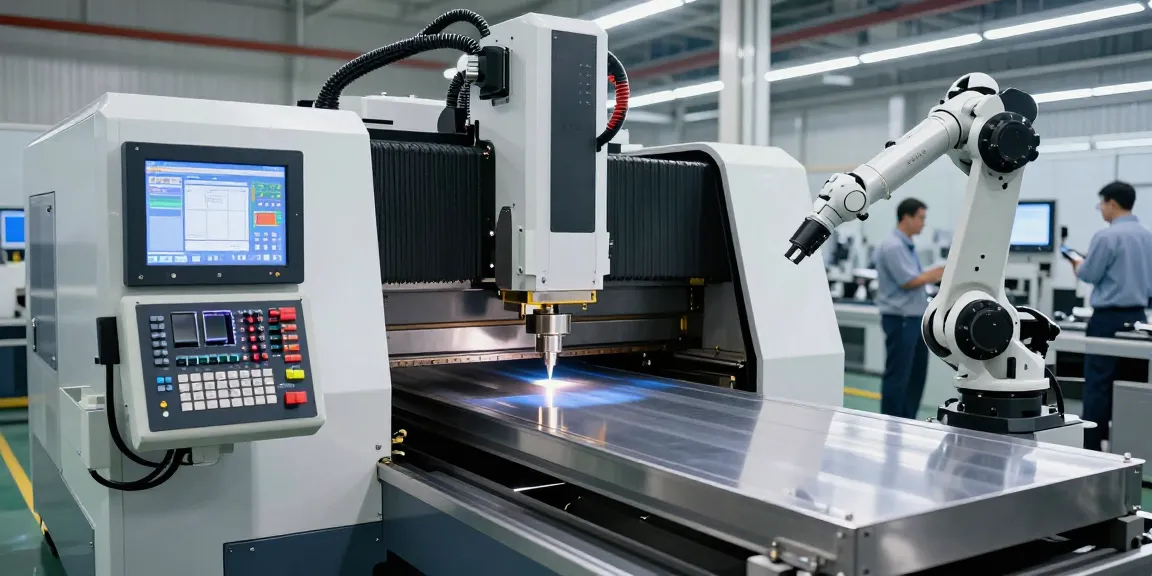
Understanding the CNC Press Brake Machine Technology
The CNC press brake machine represents a significant leap in the manufacturing world, combining CNC (Computer Numerical Control) technology with hydraulic mechanics to provide precise bending operations for various metal materials. This machinery is pivotal for industries that demand high accuracy in the fabrication of metal components, such as automotive, aerospace, and construction. As global manufacturing standards continue to evolve in 2026, having a reliable and technologically advanced cnc press brake machine is critical for maintaining competitive advantage in various sectors. This article delves into the mechanics of these machines, their applications, and the advanced technological features that enhance productivity and efficiency.
Overview of CNC Press Brake Mechanisms
CNC press brakes operate on the principle of hydraulic force to bend metal sheets with precision. The technology utilizes computer-based controls that drive both the hydraulic and mechanical components of the machine. The core mechanism consists of a ram that moves vertically to apply force on metal sheets resting on a stationary bed. This is complemented by a tool set, usually a punch and die, which shapes the sheet metal into the desired angles and forms. The integration of CNC technology allows for intricate programming, enabling operators to execute complex bends with high repeatability.
Core Components and Their Functions
- Hydraulic Cylinder: Provides the force required for bending the metal.
- CNC Controller: Processes input commands and manages the operational functions of the press brake.
- Backgauge System: Accurately positions the metal sheet for precise bends.
- Ram: The moving component that exerts pressure during the bending process.
- Punch and Die: An interchangeable tool set that determines the shape of the bend.
How CNC Technology Enhances Efficiency
The utilization of CNC technology in press brakes drastically improves manufacturing efficiency and accuracy. Through programmable logic, operators can predefine bending sequences, which minimizes the need for manual adjustments and potential errors. Real-time feedback loops integrated within the CNC systems also optimize hydraulic performance, ensuring that the correct pressure is applied consistently. Furthermore, with advanced sensors and monitoring systems, manufacturers can achieve near-zero defects in their bending processes, thus enhancing overall throughput and product quality.
Applications of CNC Press Brake Machines in Modern Manufacturing
In the rapidly evolving landscape of modern manufacturing, CNC press brake machines are indispensable. They facilitate a broad array of applications that can efficiently handle various tasks across multiple industries, thereby enhancing productivity and precision.
Industries Benefiting from CNC Press Brakes
A diverse range of sectors benefit from CNC press brake technology, including:
- Automotive: Used extensively for producing components such as frames and body parts.
- Aerospace: Essential for crafting intricate lightweight structures.
- Construction: Fabrication of metal frameworks and structural supports.
- Electronics: Manufacturing of enclosures for various electronic devices.
Examples of Automation in CNC Bending
The advent of automation in CNC bending involves integrating robotic arms and smart technologies to perform repetitive tasks more efficiently. These systems not only help in reducing labor costs but also enhance the capability of CNC press brakes to perform complex folds and adjustments without human intervention. For instance, robotic press brakes equipped with AI can automatically predict and adjust based on workload and material characteristics, significantly improving operational schedules and reducing downtime.
Metal Materials Used in CNC Press Brake Machines
CNC press brakes are designed for versatility and can process a wide range of metal materials. Commonly used materials include:
- Steel: Highly durable and ideal for heavy-duty applications.
- Aluminum: Lightweight, making it suitable for transportation and aerospace applications.
- Copper: Used in electronic applications due to its conductivity.
- Titanium: Valued in aerospace for its strength-to-weight ratio.
Why Choose SC SHENCHONG’s CNC Press Brake Machines?
SC SHENCHONG stands out in the CNC press brake market due to its dedication to quality, technology, and customer satisfaction. With over 25 years of experience in manufacturing CNC hydraulic press brake machines, SC SHENCHONG offers machinery that integrates advanced engineering with user-friendly controls.
Cutting-Edge Features and Specifications
SC SHENCHONG’s WEK series hydraulic CNC press brakes are designed with features that ensure optimal performance.
- ESA S630 CNC Controller: This advanced controller allows for control over 4+1 axes, providing flexibility in operations.
- Mechanical Table Crowning: Automatically adjusts to maintain bending accuracy.
- High Precision: Achieves bending accuracy of ± 0.01mm, which is crucial for tight tolerances.
After-Sales Support and Service
Committed to customer satisfaction, SC SHENCHONG provides robust after-sales support that includes training, maintenance, and troubleshooting assistance, ensuring that customers achieve maximum uptime from their machinery while also extending the lifespan of their machines.
Customer Testimonials and Case Studies
Many manufacturers have reported significant improvements in production capabilities after integrating SC SHENCHONG’s CNC press brake machines into their operations. Case studies indicate enhanced operational efficiency, reduced scrap rates, and improved product quality. Satisfied customers often highlight the effectiveness of SC SHENCHONG’s support services, further solidifying the brand’s reputation.
Future Trends in CNC Press Brake Technology
The technological landscape surrounding CNC press brakes is expected to evolve significantly over the coming years, driven by advancements in AI, connectivity, and eco-friendliness.
Integration of AI and Machine Learning
Future iterations of CNC press brakes will likely incorporate AI and machine learning to further enhance capabilities. With data analytics, machines can learn from previous operations to optimize bending processes dynamically, reducing waste and increasing efficiency.
Advancements in Safety Protocols and Features
As with all machinery, safety remains a top concern in CNC operations. The integration of advanced safety features such as automated shut-off systems, sensor-based monitoring for operator presence, and predictive maintenance alerts will continue to evolve, ensuring a safer working environment.
Environmentally Friendly Innovations in Press Brake Manufacturing
Due to growing environmental concerns, manufacturers are increasingly focused on creating machines that are not only efficient but also sustainable. Innovations might include energy-efficient hydraulic systems, recyclable materials, and reduced waste during manufacturing processes.
FAQs about CNC Press Brake Machines
What is the price range for CNC press brake machines?
The price for CNC press brake machines typically ranges from $20,000 to $45,000, depending on specifications, size, and additional features.
How long does it take to deliver a CNC press brake?
Delivery times can vary based on the model and customization options, but generally range between 25 to 45 working days.
What are the maintenance requirements for CNC machines?
Routine maintenance is essential for CNC machines, which includes regular checks on hydraulic fluids, electrical components, and alignment. Engaging with a qualified service technician for periodic inspections can help prolong the life of the equipment.


